
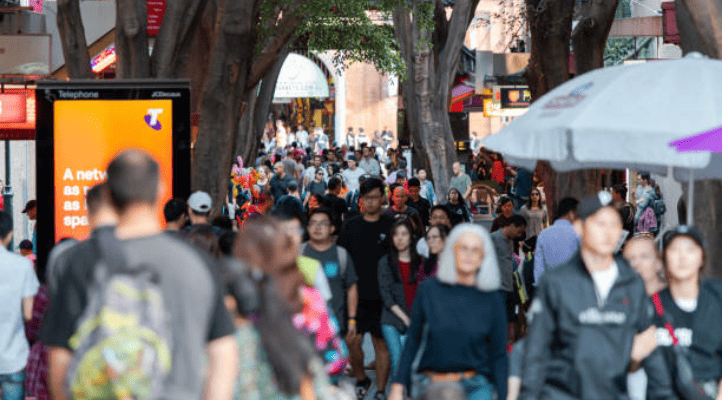
In Australia, our way of life is built around gathering. From packed footy stadiums and music festivals to shopping centres, transport hubs and university campuses, crowded places are part of everyday life.
But as our cities grow and threat environments evolve, the expectations around security in crowded places have shifted. Communities want to feel safe without feeling like they’re entering a fortress.
The challenge for venue owners and event organisers is balancing a welcoming vibe with a secure environment. This is where a crowded places assessment incorporating the principles of CPTED comes in. Rather than relying solely on reactive measures like guards and heavy barriers, CPTED focuses on how the built environment can naturally reduce risks and support safer outcomes.
Why Do Crowded Places Need Special Security Planning
Crowded environments present unique challenges that often involve:
- High pedestrian density
- Multiple entry and exit points
- Vehicle access nearby
- Varied user groups (families, elderly, tourists, students)
- Temporary surges during events
While the likelihood of a serious hostile incident is statistically low, the impact is high. Heavy-handed barriers and visible armed guards can inadvertently increase public anxiety. CPTED Australia helps integrate protective measures in ways that are proportionate, discreet, and aligned with how we expect public spaces to function.
CPTED Principles That Strengthen Crowded Places Security
1. Natural Surveillance
People are less likely to commit a crime or conduct hostile reconnaissance if they think they are being watched. Natural surveillance isn’t more about CCTV (though that helps); it’s about designing sightlines so that normal users can see what’s going on.
2. Natural Access Control
This is an effective crowd control method that doesn’t rely on security guards or barriers every corner. By using the environment to guide people, you naturally limit where a potential threat can enter or exit.
3. Territorial Reinforcement
When a space looks like it belongs to someone, people treat it with more respect. This principle creates a clear distinction between public and private space. This discourages antisocial behaviour and supports stronger crowded places security outcomes.
4. Maintenance and Management
The Broken Windows theory holds true in Australia. A site that is clean, well-lit, and free of graffiti signals that the area is monitored and cared for.
Good operational planning also supports incident response, including staff training, emergency procedures, and clear communication protocols.
Addressing High-Risk Threats in Crowded Places
A common concern for Australians is that increased security means fearmongering or ruining the aesthetic of our beautiful cities. However, the modern Australian approach is aligned with Australia’s Strategy for Protecting Crowded Places from Terrorism that emphasises proportionate security.
For high-risk areas like transport hubs or major stadiums, CPTED helps mitigate severe threats (such as hostile vehicle attacks) without making the public feel like they are in a high-security prison.
Some locations are considered higher risk due to their scale, symbolism or profile. These may include:
- Major stadiums and racecourses
- Transport hubs
- Shopping centres
- Universities and hospitals
- Landmark or civic buildings
Threats can include weapon attacks, improvised explosive devices, chemical exposure, hostile reconnaissance, and vehicle attacks.
CPTED responses in these contexts must be:
- Proportionate to the risk
- Integrated into the environment
- Adaptable and scalable
- Considerate of everyday users
How Crowded Places Assessment Supports Your Duty of Care
If you manage a site where people gather, you have a legal and moral Duty of Care. This means you must take reasonable steps to protect people from foreseeable risks.
A crowded places assessment is the health check for your venue. It looks at
- Threat profiles relevant to your location
- Site vulnerability
- Information security (website, social media, publicly available floor plans)
Practical Safety Tips for Crowded Places
While the responsibility largely sits with owners and operators, the public plays a massive role in crowded places security. Australia’s see something, say something culture is one of our best assets.
For the Public
- Familiarise yourself with the exits when entering a venue.
- If you see a bag left unattended or someone acting strangely (like filming security instead of the event), tell a staff member or call the National Security Hotline on 1800 123 400.
- Stay calm and follow instructions during emergencies.
- If attending large events, agree on a meeting point in case communication fails.
For Operators
- Your staff are your best eyes. Train them in identifying suspicious behaviour.
- Don’t just rely on one gate. Use a mix of lighting, barriers, and patrolling to create security in depth.
- Ensure evacuation plans are tested and clearly communicated.
- Review digital exposure (maps, floor plans, security procedures online).
- Regularly reassess risks, especially before major events.
What is the Role of CPTED in Effective Crowd Control
CPTED plays a direct role in establishing an effective crowd control method by shaping how people enter, move through, and exit a space. Poorly planned environments can create bottlenecks, confusion, and uncontrolled access points, particularly during emergencies.
Effective CPTED implementation often involves collaboration between qualified professionals, including:
- Architects
- Urban designers
- Landscape architects
- Engineers
- Security and risk advisors
- Police protective security units
CPTED helps achieve community safety and balance through:
- Clear pedestrian flow and wayfinding
- Separation of vehicles and foot traffic
- Defined entry and exit hierarchy
- Reduction of congestion points
- Improved visibility for monitoring and response
To Sum It Up
Improving security in crowded places doesn’t have to mean compromising on the lifestyle. By using CPTED principles, we can create spaces that are both open and safe. Because great places are those where people want to spend time.
If you manage a crowded venue, are planning a major event, or are developing a new site, contact us today or call (02) 9191 9771 to discuss how CPTED can support your next project.