
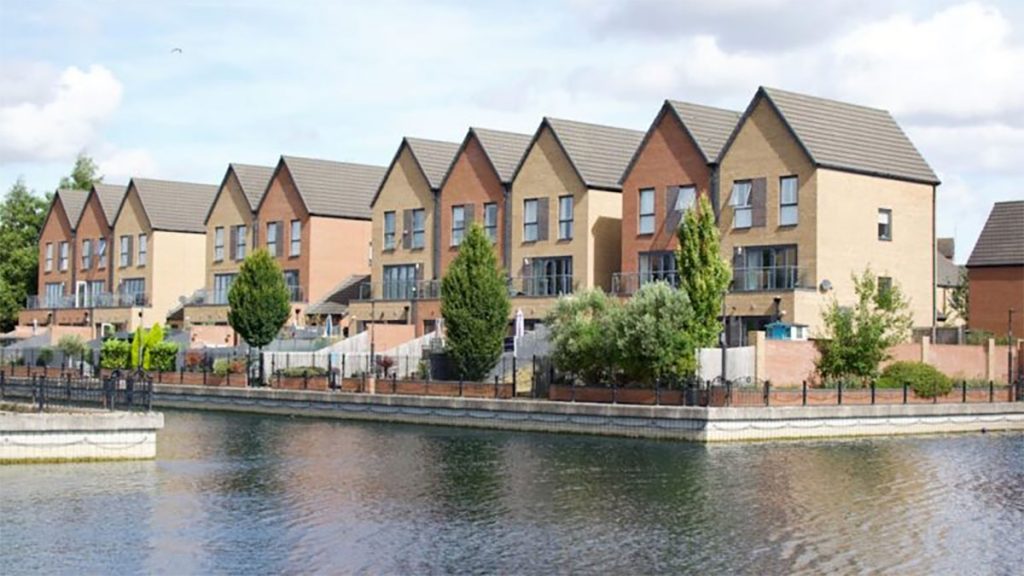
Crime Prevention Through Environmental Design (CPTED) is transforming how Australian communities address crime prevention. Rather than relying solely on policing and security systems, CPTED uses thoughtful design to influence human behaviour, reduce opportunities for crime, and promote safer environments.
This article looks at real CPTED programs and guidelines from across Australia, showing how environmental design and good planning practice can improve safety and support community wellbeing.
What Is CPTED and Why Is It Effective?
CPTED is a multidisciplinary approach to crime prevention that uses urban design and planning principles to reduce opportunities for offending and encourage safer behaviours. It incorporates strategies such as:
- Natural surveillance
- Access control
- Territorial reinforcement
- Space management
By embedding these strategies into the design and layout of public and private spaces, CPTED aims to create safer, more liveable environments.
Learn more about our CPTED assessments and reports and how we help apply these principles across a wide range of projects.
Melbourne’s CPTED Lighting Strategy: Enhancing Natural Surveillance
The City of Melbourne’s Public Lighting Strategy 2021 provides a framework for public and private external lighting across the municipality, including laneways, streets and other areas intended for public use. The strategy was updated in 2021 in consultation with the Illuminating Engineering Society of Australia and New Zealand, along with national, state and local government stakeholders, to reflect changes in relevant Australian Standards and lighting technology.
Community Crime Prevention Victoria, the State Government’s crime prevention program, also documents CPTED-informed lighting and streetscape improvements at a local level, including a laneway transformation in St Albans (City of Brimbank) that incorporated lighting, paving, street furniture and landscaping improvements to enhance safety and usability.
These examples demonstrate how council-led lighting strategies and streetscape improvements can support natural surveillance and encourage greater use of public spaces after dark.
Sydney’s Safe City Initiative: Community-Led CPTED Success
The City of Sydney (then Sydney City Council) implemented its Safe City Strategy from 1998, incorporating a range of measures aligned with CPTED principles. The strategy combined:
- Upgraded streets and footpaths
- Improved public lighting
- Street safety cameras in identified hotspots
- Emergency video phones linked to the nearest police station
- A community safety education program
- An accord with licensed premises to reduce alcohol-related harm
- A Safe Taxi Ranks initiative
The NSW Bureau of Crime Statistics and Research evaluated the strategy in 2001, surveying more than 1,800 city users. The evaluation found that each initiative was rated by at least 60 per cent of respondents as likely to improve safety, with improved lighting and the Safe Taxi Ranks initiative receiving the strongest endorsement.
The City of Sydney has continued to build on this approach through later policies, including its Community Safety Action Plan, which identifies safer streets and public spaces as key priorities.
For a tailored approach to crime prevention, explore our security risk assessments.
Queensland’s CPTED Guidelines: A Statewide Approach to Safer Communities
The Queensland Police Service has published the Crime Prevention Through Environmental Design Guidelines for Queensland, first issued in 2007 and updated in 2021 following consultation with local councils, the planning and development industry, and Queensland communities.
The guidelines are presented in two parts. Part A outlines the essential features of safer places, while Part B provides an implementation guide primarily aimed at local councils.
Key recommendations include:
- Designing for visibility and clear sightlines
- Clearly defining public and private zones
- Maintaining landscaping and infrastructure
- Supporting ongoing community participation in upkeep
The guidelines provide a framework for incorporating CPTED considerations into planning and design processes across Queensland. They also inform related state agency guidance, including resources such as the Department of Transport and Main Roads’ Road Landscape Manual.
CPTED in Action: Urban Renewal Projects in New South Wales
In NSW, CPTED is applied through the NSW Police Force’s Safer by Design program, which supports crime prevention officers in reviewing development applications, alongside CPTED provisions incorporated into individual councils’ Development Control Plans (DCPs).
This approach builds on earlier guidance issued by the former Department of Urban Affairs and Planning in 2001, Crime Prevention and the Assessment of Development Applications.
Key CPTED strategies include:
- Installing lighting to enhance visibility
- Removing hiding spots by improving landscaping
- Introducing design features that encourage positive social interaction
- Using physical design to control access and movement
These urban renewal efforts have led to a significant improvement in public safety and community satisfaction, demonstrating that CPTED is a powerful tool for long-term crime prevention.
Why CPTED Works: Design That Builds Safer Communities
These examples demonstrate the value of embedding CPTED principles into planning policy, development assessment and public space design. Together, they highlight several consistent factors behind effective CPTED implementation:
- It reduces crime by designing out opportunities for misconduct
- It enhances natural surveillance and access control
- It strengthens the connection between residents and their environment
- It builds safer, more liveable communities
If you are planning a development or looking to improve the safety of a property or public space, CPTED provides a strategic framework to guide design decisions.
Start Implementing CPTED Principles Today
The results from these CPTED implementations across Australia are clear: well-designed environments lead to reduced crime and stronger communities. Whether you’re a local council, property developer, or business owner, applying CPTED principles is a proactive step towards safer, more inclusive spaces.
At CPTED Australia, we specialise in helping organisations integrate CPTED strategies into their developments, public spaces, and risk management plans.
Ready to take action?
Contact us today or call us directly on (02) 9191 9771 to speak with one of our CPTED professionals.
About the Author
Simon Pollak is the Principal Consultant at CPTED Australia. He is a Fellow of the Australian Security Industry Association (FASIAL), a Certified Information Systems Security Professional (CISSP), holds a Master of Cyber Security, and is a licensed security consultant. His practice covers CPTED assessments, security risk assessments and security strategy for developments and venues across Australia.