
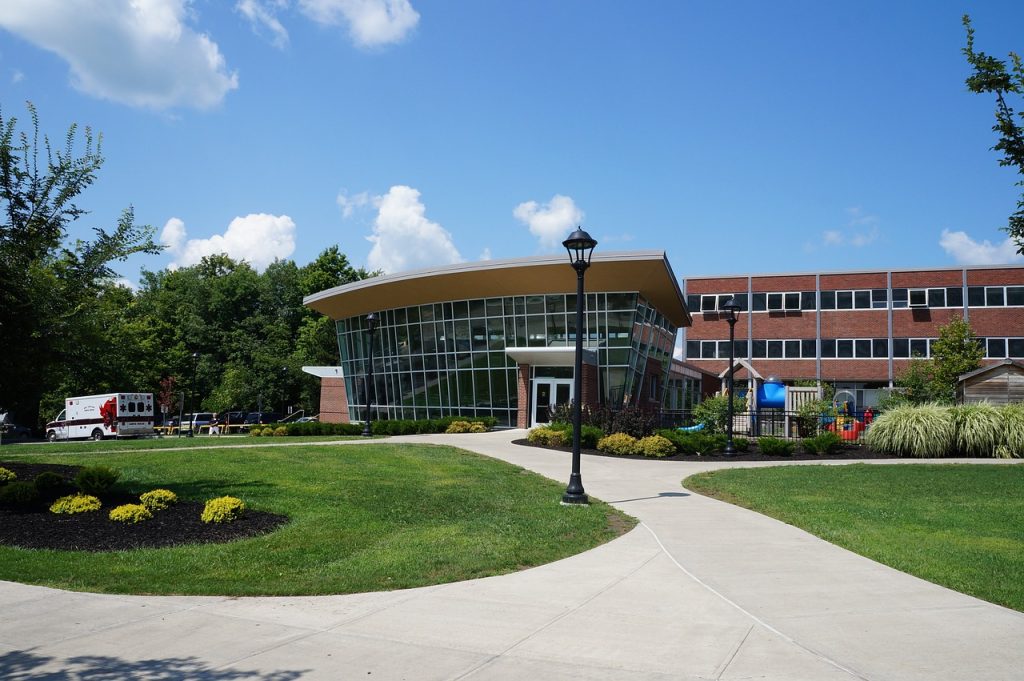
Creating a safe and secure environment for students, teachers and staff is a core responsibility for schools. Crime Prevention Through Environmental Design (CPTED) provides a practical and proactive approach to improving safety through the design and ongoing management of the built environment. This is particularly relevant in Australia, where CPTED assessments are commonly required or strongly encouraged as part of the development application process for new school facilities and major upgrades.
This article outlines how CPTED principles can be applied in school settings to reduce opportunities for crime, support duty of care obligations and contribute to safe, well-managed learning environments.
Understanding CPTED
CPTED is based on the principle that the design and management of physical spaces can influence human behaviour, including reducing the likelihood of criminal activity. The four core principles are natural surveillance, natural access control, territorial reinforcement and space management. When applied effectively, these principles help schools create environments that deter inappropriate behaviour while supporting visibility, ownership and safe use.
In New South Wales, CPTED is embedded within the Safer by Design program, a partnership between NSW Police, local councils and the NSW Government. Crime risk assessments prepared under this framework are often required to support a development application, particularly for significant school capital works.
Key CPTED Principles for Schools
Natural Surveillance
Natural surveillance focuses on maximising visibility so that people can easily observe their surroundings. In a school environment, this supports supervision, reduces blind spots and increases the perceived risk of detection for inappropriate behaviour.
Common strategies include:
- Installing large windows and glazed doors to improve sightlines between internal and external spaces
- Using consistent, well-designed lighting across school grounds to minimise shadows and concealment opportunities
- Positioning security cameras to support, not replace, natural visibility in key areas such as entrances, corridors and playgrounds
- Designing open layouts that allow staff to supervise multiple areas effectively
Natural Access Control
Natural access control guides how people move through a site, reducing the likelihood of unauthorised access. In schools, this is critical for managing visitors, protecting students and maintaining secure operational zones.
Effective measures include:
- Clearly defined and well-signed entry points for students, staff and visitors
- Appropriate use of fencing and gates to secure boundaries and restrict access to sensitive areas
- Pathways and circulation routes that direct movement through safe and supervised areas
- Visitor management processes such as sign-in procedures and controlled access systems
Territorial Reinforcement
Territorial reinforcement strengthens the sense of ownership and responsibility within a space. When a school environment clearly communicates that it is cared for and monitored, it discourages misuse and encourages respectful behaviour.
Practical applications include:
- Clear delineation between public, semi-public and private areas through design and signage
- Landscaping and building design that reinforce boundaries without creating hidden spaces
- Encouraging staff and students to take an active role in maintaining and respecting their environment
- Well-presented entrances that signal the school is organised, supervised and valued
Space Management
Space management refers to the ongoing maintenance and operation of the environment. A well-maintained school signals active oversight and reduces opportunities for vandalism and disorder.
Key practices include:
- Routine maintenance of buildings, grounds and infrastructure
- Rapid removal of graffiti and repair of damage
- Ensuring lighting, access systems and security measures remain operational
- Regular inspections to identify and address emerging risks
Benefits of CPTED for Educational Institutions
Enhanced Safety and Security
By reducing opportunities for crime through design, CPTED supports safer school environments and helps minimise incidents such as vandalism, theft and unauthorised access.
Improved Learning Environment
Students are more likely to engage and perform well in environments where they feel safe, supported and comfortable.
Increased Staff Confidence and Productivity
A secure and well-managed environment enables staff to focus on teaching and supervision without unnecessary safety concerns.
Cost-Effective Risk Reduction
CPTED emphasises design and management solutions that can reduce reliance on more expensive reactive security measures over time.
Real-World Examples
CPTED is an established part of the planning and approvals process for many Australian school projects. Under the NSW Police Force Safer by Design program, crime risk assessments are prepared by qualified practitioners and submitted with development applications to the relevant consent authority.
These assessments are typically reviewed against the NSW Police CPTED checklist and address surveillance, access control, territorial reinforcement and space management prior to approval. This ensures that safety considerations are integrated early in the design process, rather than addressed after construction.
Schools and their project teams should confirm current requirements with their local council or state education department, as expectations can vary by jurisdiction and project scale.
Conclusion
CPTED provides a structured and practical framework for improving safety in schools through design and management. By applying the four core principles, schools can create environments that support supervision, reduce risk and promote positive behaviour.
In the Australian context, aligning with recognised frameworks such as Safer by Design also supports compliance with planning requirements and helps demonstrate a proactive, defensible approach to student safety and duty of care. When considered early in the design and planning process, CPTED contributes to safer, more resilient and more effective school environments.
About the Author
Simon Pollak is the Principal Consultant at CPTED Australia. He is a Fellow of the Australian Security Industry Association (FASIAL), a Certified Information Systems Security Professional (CISSP), holds a Master of Cyber Security, and is a licensed security consultant. His practice covers CPTED assessments, security risk assessments and security strategy for developments and venues across Australia.