
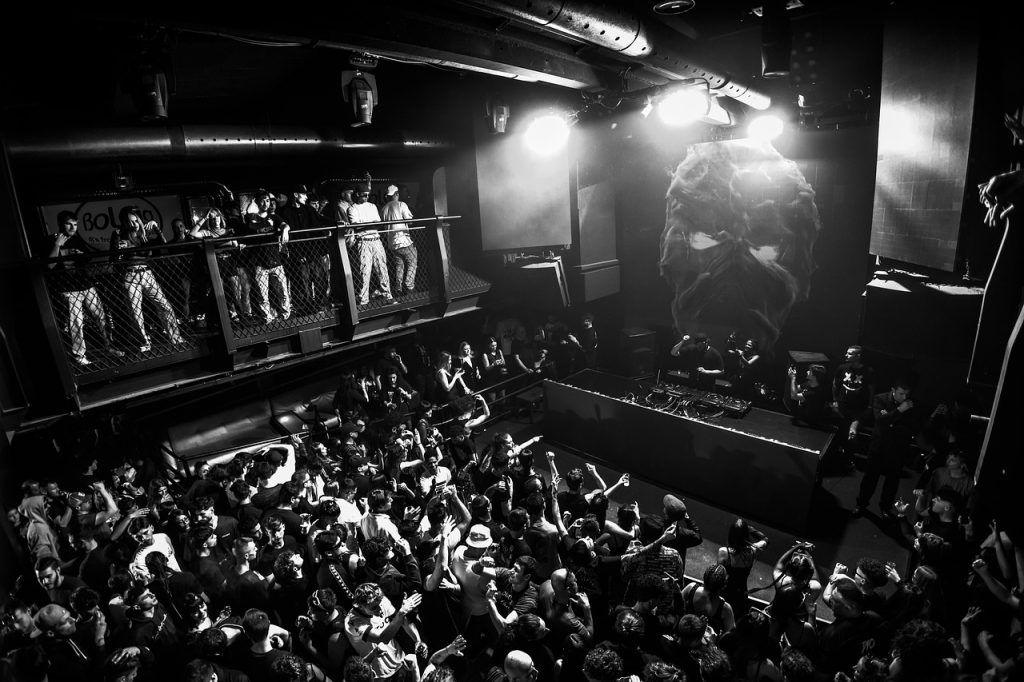
Creating a safe and welcoming environment is essential for hospitality venues across Australia — from hotels and restaurants to bars and nightclubs. Guests expect comfort, enjoyment, and peace of mind, while operators must manage risks, protect assets, and comply with local regulations.
Crime Prevention Through Environmental Design (CPTED) provides a practical, evidence-based approach to safety. By thoughtfully designing and managing physical spaces, CPTED helps deter crime, encourage positive behaviour, and maintain a venue’s inviting atmosphere.
What Are the Four Pillars of CPTED in Hospitality
Eyes on the Street Through Natural Surveillance
Natural surveillance means designing a space so that people can see and be seen. When potential offenders feel observed, they are less likely to act.
Practical applications for hospitality venues include:
- Ensure staff at reception or point-of-sale have clear sightlines for entrances and outdoor seating areas.
- Install lighting that meets Australian standards for car parks and pathways, illuminating faces clearly without creating blind spots or glare that interferes with CCTV.
- Use windows and mirrors to remove hidden corners in corridors, stairwells, or older hotel layouts.
- Open lobby designs allow staff to monitor entrances and common areas effectively.
Guiding Guest Movement with Natural Access
This guides visitors where they should go while restricting entry to private or sensitive spaces.
Actionable steps for your venue:
- Use clear signage, pathways, lighting, and landscaping to guide visitors to the main entrance.
- Install key-card systems or other access controls to restrict guest floor entry.
- Limit access to staff-only zones using discreet barriers and signage.
- Prevent unauthorised entry without making guests feel unwelcome.
Defining Boundaries with Territorial Reinforcement
A space that looks owned and cared for is a deterrent in itself. Territorial reinforcement creates a sense of pride for staff and a clear boundary for potential offenders.
To put this into practice:
- Use fencing, changes in paving textures, or manicured greenery to delineate the property line from the public footpath.
- Clearly displaying CCTV in Use and RSA (Responsible Service of Alcohol) signage as required by law.
Maintenance for Better Space Management
Neglected spaces such as broken lights, graffiti, or uncollected rubbish, send a signal that no one is watching.
Our top tips for your space:
- Repair broken fixtures, lighting, and furniture promptly.
- Regular cleaning of public and staff areas.
- Maintain landscaping, pathways, and outdoor spaces consistently.
How to Apply CPTED in Different Hospitality Venues
Different types of venues face unique risks. Tailoring your CPTED approach ensures you address the specific concerns of your location and community.
Hotels and Accommodation
- Ensure lobbies, corridors, and parking areas have clear sightlines
- Use key-card access for guest floors and rooms
- Light outdoor pathways and define property boundaries
Restaurants and Cafes
- Maintain open layouts for visibility
- Provide adequate lighting for outdoor seating and entry points
- Guide guests to restrooms and exits while restricting kitchen access
Bars and Nightclubs
- Monitor entrances and exits with lighting, CCTV, and trained staff
- Use barriers and signage to control movement
- Implement ID checks, bag searches, and well-lit outdoor areas for smokers
Benefits of CPTED for Australian Hospitality Venues
Applying CPTED smart design helps venues:
- Improved safety for guests and staff
- Reduced theft, vandalism, and anti-social behaviour
- Enhanced reputation and trust among patrons
- Support for regulatory compliance with liquor licensing and council requirements
- Increased customer satisfaction and loyalty
- Asset protection and reduced liability
Importantly, safety doesn’t have to come at the cost of the atmosphere. CPTED allows venues to remain welcoming while being secure.
Addressing Common Australian Safety Concerns
Liquor Licensing Compliance
In NSW, VIC, QLD, and other states, maintaining a safe environment is a condition of your licence. Failing to implement CPTED-aligned measures like lighting or surveillance can result in fines or licence suspension.
Duty of Care
Under Work Health and Safety (WHS) laws, venue operators must provide a safe workplace. CPTED protects staff from violence and aggression by creating spaces that are easy to monitor and escape if necessary.
Community Impact
Councils often require a CPTED assessment when applying for new licences or renovations. Demonstrating that your venue won’t negatively impact the “amenity and good order” of the neighbourhood is essential for approval.
Why CPTED Is a Smart Investment for Hospitality Venues
- Reduced Liability through proactive design that reduces the likelihood of incidents, resulting in lower insurance premiums and legal risks.
- Increased loyalty, driven by guests feeling safe and more likely to stay longer and return.
- Better visibility enhances operational efficiency as it allows for effective monitoring with fewer staff and uses clear access control to prevent guest confusion.
In conclusion, CPTED not only enhances safety but also improves operational efficiency and guest satisfaction.
Ready to Apply CPTED to Your Venue?
At CPTED Australia, we specialise in professional CPTED assessments that help you navigate council requirements and licensing laws while keeping your guests safe.
Contact us today or call (02) 9191 9771 to learn how our tailored design strategies can support your safety goals.