
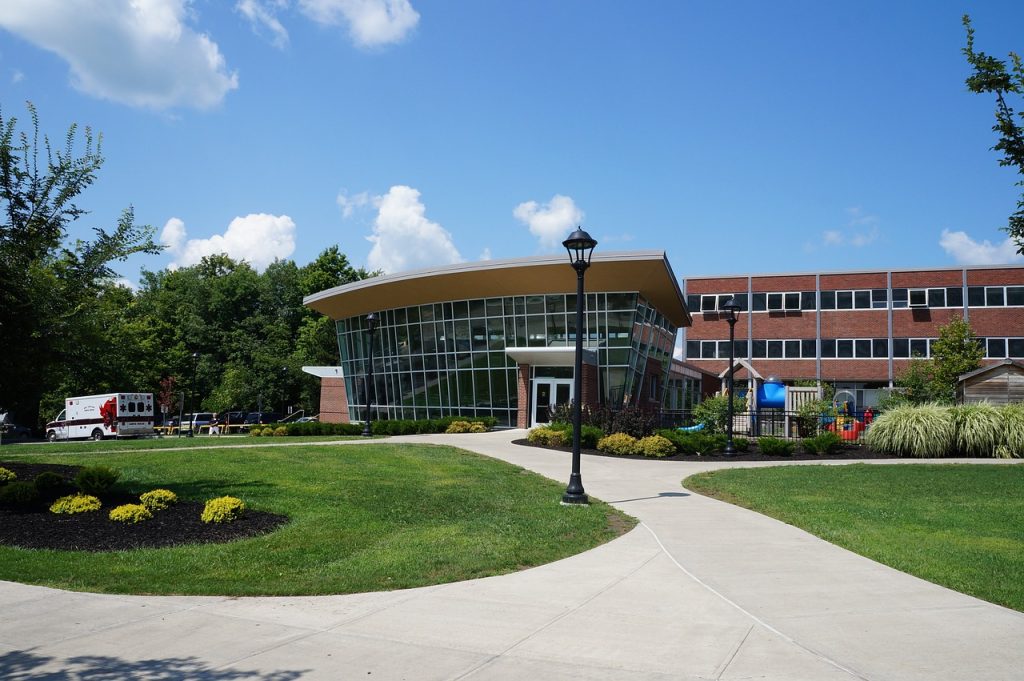
Creating a safe and secure environment for students, teachers, and staff is a top priority for educational institutions. Crime Prevention Through Environmental Design (CPTED) principles offer a proactive approach to enhancing school safety through thoughtful design and management of the physical environment. In this blog post, we’ll explore how CPTED can be applied to educational institutions to prevent crime and create a secure learning environment.
Understanding CPTED
CPTED is based on the idea that the design and management of physical spaces can influence human behaviour, including reducing the likelihood of criminal activity. The core principles of CPTED include natural surveillance, natural access control, territorial reinforcement, and space management. By incorporating these principles, schools can create environments that naturally deter crime and promote safety.
Key Principles of CPTED for Educational Institutions
- Natural Surveillance Natural surveillance involves designing spaces in a way that maximizes visibility, allowing people to observe their surroundings and monitor activities. Enhancing natural surveillance in schools can deter potential offenders by increasing the risk of being seen. Strategies for natural surveillance in educational institutions include:
- Installing large windows and glass doors to provide clear sightlines both inside and outside the building.
- Using bright, uniform lighting throughout the school grounds to eliminate dark spots and shadows.
- Placing security cameras in strategic locations to monitor key areas such as entrances, hallways, and playgrounds.
- Designing open and spacious layouts that allow staff and students to have clear views of the entire area.
- Natural Access Control Natural access control focuses on guiding the movement of people to minimize opportunities for unauthorized access and criminal activity. By controlling entry and exit points, schools can reduce the likelihood of crime. Effective strategies for natural access control in educational institutions include:
- Clearly marking entrances and exits with signage and lighting.
- Using physical barriers, such as gates and fences, to restrict access to sensitive areas like classrooms and administrative offices.
- Designing pathways and walkways that guide students and visitors through safe routes.
- Implementing access control systems, such as key cards or visitor check-in protocols, to monitor and control entry points.
- Territorial Reinforcement Territorial reinforcement aims to create a sense of ownership and responsibility among students, teachers, and staff. When people feel connected to a space, they are more likely to protect and maintain it. Strategies for territorial reinforcement in educational institutions include:
- Using signage, landscaping, and architectural elements to clearly delineate public and private spaces.
- Encouraging staff and students to take an active role in monitoring and maintaining the school environment.
- Designing school grounds and buildings that promote a sense of community and interaction among students and staff.
- Creating a welcoming and well-maintained entrance to signal that the school is cared for and monitored.
- Space Management Maintenance plays a crucial role in CPTED by ensuring that school grounds and buildings remain clean, well-kept, and free of disorder. A well-maintained environment signals that the area is monitored and cared for, deterring potential criminal activity. Key maintenance strategies for educational institutions include:
- Regularly cleaning and repairing any damage or wear and tear in the school buildings and grounds.
- Promptly addressing graffiti, litter, and vandalism to maintain a positive and inviting atmosphere.
- Ensuring that lighting and security systems are in good working order.
- Conducting regular inspections to identify and address potential maintenance issues.
Benefits of CPTED for Educational Institutions
- Enhanced Safety and Security By addressing potential crime opportunities through thoughtful design, CPTED helps create safer school environments for students, teachers, and staff. This leads to a reduction in theft, vandalism, and other criminal activities.
- Improved Learning Environment A well-designed and secure school environment contributes to a positive learning experience. When students feel safe and comfortable, they are more likely to focus on their studies and participate in school activities. CPTED strategies help create a welcoming and enjoyable atmosphere for learning.
- Increased Staff Productivity When teachers and staff members feel safe and secure in their working environment, they are more likely to be productive and focused on their tasks. CPTED principles create a positive work environment that supports staff well-being and efficiency.
- Cost-Effective Solutions Implementing CPTED principles often involves simple, low-cost design changes that can significantly improve security. This proactive approach can reduce the need for more expensive, reactive security measures, saving costs in the long run.
Real-World Examples
Several educational institutions around the world have successfully implemented CPTED principles to enhance safety and security. For instance:
- School Safety Programs in Canada: Canadian schools have incorporated CPTED strategies, such as improved lighting, clear sightlines, and increased visibility of security personnel, to enhance student safety.
- Safe Schools Initiative in the USA: The Safe Schools Initiative in the United States has implemented CPTED principles by installing bright lighting, security cameras, and transparent barriers to improve natural surveillance and deter criminal activity.
Conclusion
Crime Prevention Through Environmental Design (CPTED) offers a proactive and effective approach to enhancing safety and security in educational institutions. By incorporating principles such as natural surveillance, natural access control, territorial reinforcement, and maintenance, schools can create environments that naturally deter criminal behaviour and promote a positive learning experience. Ultimately, CPTED contributes to creating a safer, more enjoyable learning environment for students and a positive working environment for staff.