
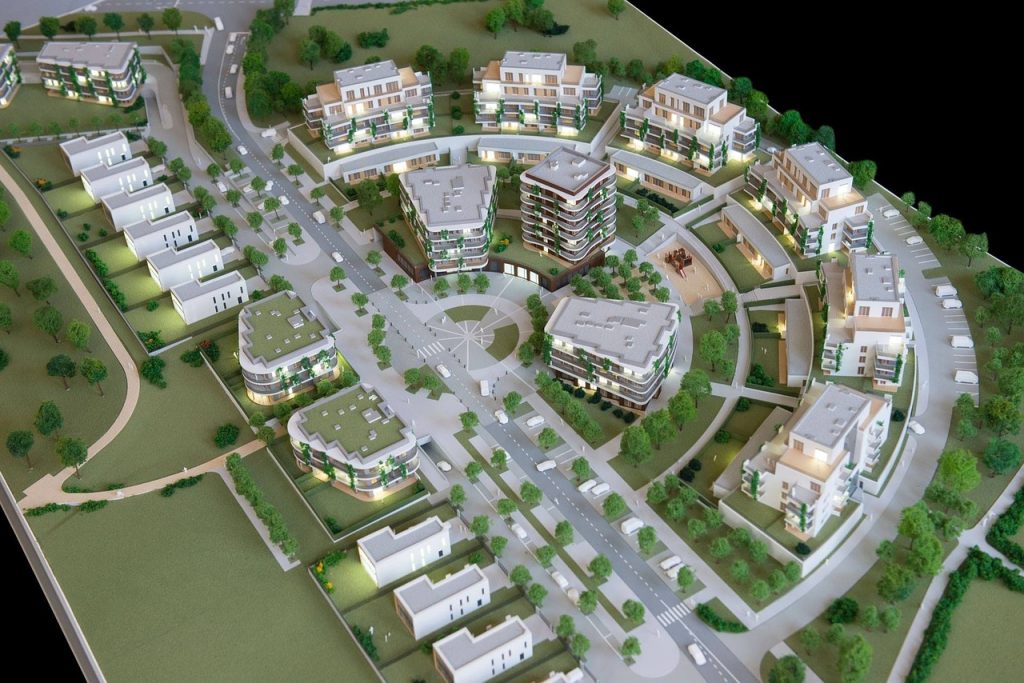
Urban planning is a vital aspect of creating safe and liveable cities. By incorporating Crime Prevention Through Environmental Design (CPTED) principles, urban planners can design environments that naturally deter criminal behaviour and promote a sense of safety and security. In this blog post, we will explore the relationship between CPTED and urban planning, and how these principles can be applied to create safer cities through thoughtful design.
Understanding CPTED
CPTED is a proactive approach to crime prevention that focuses on the design and management of physical spaces. The core principles of CPTED include natural surveillance, natural access control, territorial reinforcement, and space management. By integrating these CPTED principles into urban planning, cities can create environments that discourage criminal activity and enhance community well-being.
Key Principles of CPTED in Urban Planning
- Natural Surveillance Natural surveillance involves designing spaces in a way that maximizes visibility and allows people to observe their surroundings easily. When potential offenders perceive a high risk of being seen, they are less likely to commit crimes. Urban planners can enhance natural surveillance by:
- Incorporating open and unobstructed sightlines in public spaces.
- Ensuring adequate and uniform lighting in streets, parks, and other public areas.
- Designing buildings with windows that overlook public spaces, allowing residents to monitor their surroundings.
- Strategically placing pedestrian pathways to increase visibility.
- Natural Access Control Natural access control focuses on guiding the movement of people to minimize opportunities for crime. By controlling access points and directing pedestrian traffic, urban planners can reduce the likelihood of unauthorized entry and criminal activity. Effective strategies for natural access control include:
- Designing clear and well-marked entrances and exits.
- Using physical barriers such as fences, gates, and landscaping to restrict access to sensitive areas.
- Creating designated pathways that guide pedestrians through safe routes.
- Implementing access control systems, such as key cards or security personnel, for restricted areas.
- Territorial Reinforcement Territorial reinforcement aims to create a sense of ownership and responsibility among community members. When people feel connected to their environment, they are more likely to protect and maintain it. Urban planners can enhance territorial reinforcement by:
- Clearly delineating public and private spaces using signage, landscaping, and architectural elements.
- Encouraging community involvement in the design and maintenance of public spaces.
- Designing public areas that foster social interaction and a sense of community.
- Using distinctive design features that reflect the identity and culture of the local community.
- Space Management Maintenance is crucial for ensuring that spaces remain safe and inviting. A well-maintained environment signals that an area is monitored and cared for, deterring potential criminal activity. Urban planners can promote maintenance by:
- Implementing regular cleaning and upkeep of public spaces.
- Addressing graffiti, litter, and vandalism promptly.
- Ensuring that lighting and security systems are in good working order.
- Encouraging community members to take an active role in maintaining their surroundings.
Benefits of Integrating CPTED into Urban Planning
- Enhanced Safety and Security By addressing potential crime opportunities through thoughtful design, CPTED helps create safer environments for residents, workers, and visitors. This leads to a reduction in crime rates and an overall sense of security.
- Increased Community Engagement CPTED encourages community members to take an active role in the design and maintenance of their surroundings. This fosters a sense of ownership and responsibility, leading to greater community cohesion and vigilance.
- Cost-Effective Solutions Implementing CPTED principles often involves simple, low-cost design changes that can significantly improve security. This proactive approach can reduce the need for more expensive, reactive security measures.
- Sustainable and Liveable Communities CPTED supports the creation of sustainable and liveable communities by promoting natural surveillance, access control, and territorial reinforcement. These principles contribute to the overall quality of life and well-being of residents.
Real-World Examples
Several cities around the world have successfully integrated CPTED principles into their urban planning processes. For instance:
- Melbourne, Australia: The city has incorporated CPTED strategies into its urban renewal projects, focusing on improving lighting, sightlines, and community engagement in public spaces.
- New York City, USA: New York’s “Safe Streets” initiative uses CPTED principles to enhance safety in high-crime areas, including improved lighting, clear signage, and increased community involvement.
Conclusion
Integrating CPTED principles into urban planning is a powerful approach to creating safer cities through thoughtful design. By incorporating natural surveillance, natural access control, territorial reinforcement, and space management into the planning process, urban planners can design environments that deter criminal behaviour and promote a sense of safety and security. Ultimately, CPTED contributes to the creation of sustainable, liveable, and vibrant communities for everyone.
Book Your CPTED Urban Planning Consultation Now
Don’t leave safety to chance. Our experts can assess your site, identify design vulnerabilities, and recommend CPTED strategies that deliver long-term results.
Reach out today or call (02) 9191 9771 to schedule a consultation and upgrade your urban planning approach with CPTED expertise.