
Owner and Operator Responsibilities Under the Crowded Places Strategy
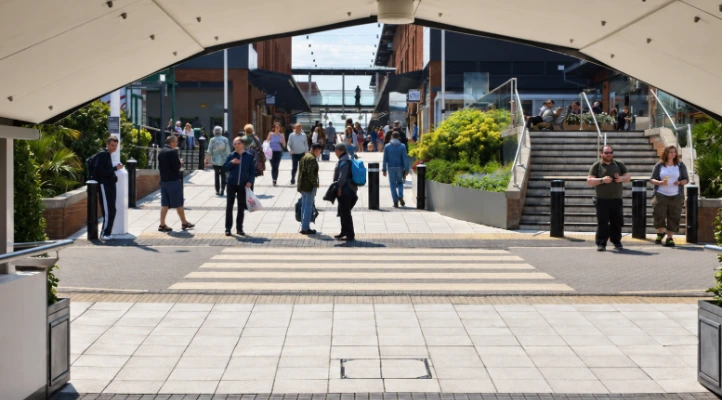
Under Australia’s Strategy for Protecting Crowded Places from Terrorism, owners and operators carry the primary responsibility for protecting their own sites, including a duty of care to take reasonable steps against foreseeable threats. This responsibility applies across Australia and to a wide range of locations where large numbers of people gather, including shopping centres, sporting […]
Balancing Public Access and Security in Commercial Precincts
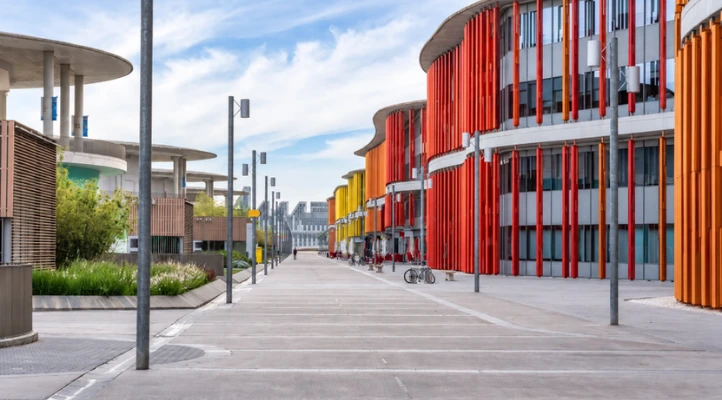
Balancing public access and security in a commercial precinct means designing protective measures that work across a shared public realm and several separately owned properties at once, rather than applying the same approach a single venue operator would use. For councils, precinct place managers, developers of mixed-use precincts and the asset managers responsible for them, […]
What SEARs Require in a Site-Specific CPTED Assessment
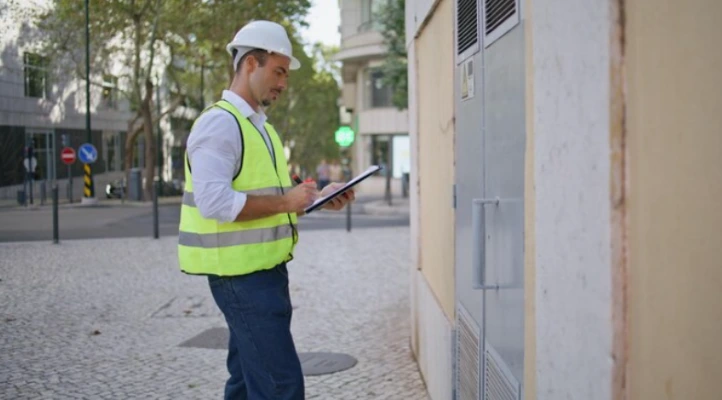
CPTED Australia prepares CPTED assessments for development applications, State Significant Development and crowded places projects across Australia. Each assessment examines the site’s context and proposed design against the four CPTED principles and provides recommendations that respond directly to the planning pathway the project is moving through. What a CPTED Assessment Includes A properly scoped assessment […]
How CPTED Assessments Can Help Address Conditions of Consent
A CPTED assessment can assist in addressing a condition of consent by providing a site‑specific, evidence‑based response to a safety or crime prevention requirement imposed by the consent authority. Rather than relying on general statements about design intent, the assessment examines the approved development against the relevant CPTED principles and provides recommendations that respond directly […]
Securing Modern Transit Hubs Without Sacrificing Open Design
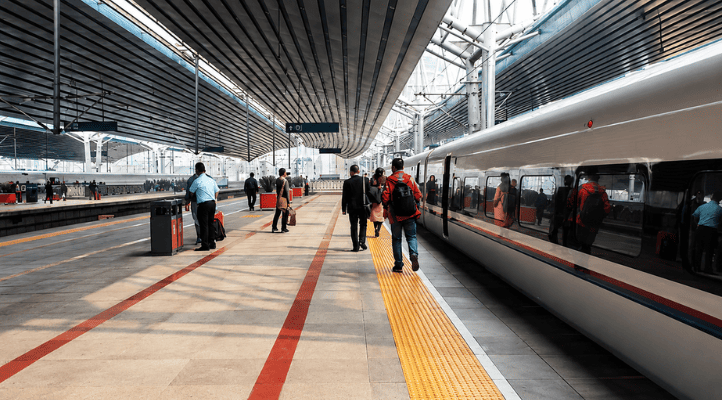
Modern transit hubs must do more than move people efficiently. They must feel safe, legible and welcoming at six in the morning and at eleven at night. For architects, planners and asset owners, the challenge is to strengthen security without turning public infrastructure into a hardened, fortress-like environment. The answer is not more visible security. […]
Securing Crowded Places Without Compromising the Visitor Experience
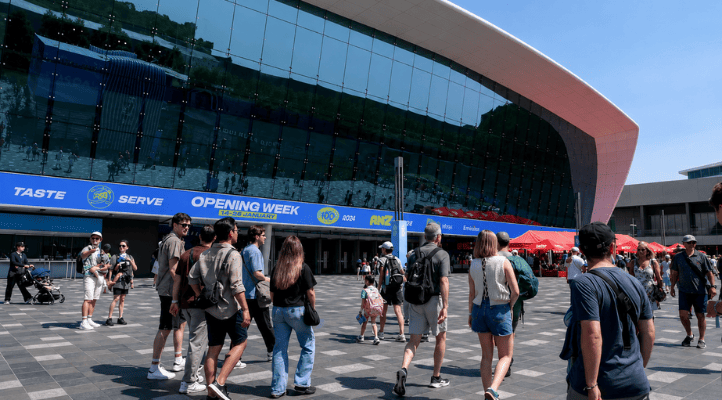
Every operator of a high-capacity venue in Australia manages the same tension. Robust protective security is essential, yet visible, intrusive controls can change the character of a place and erode the very experience that draws people to it. The good news is that these objectives are not in conflict. When security is designed into a […]
CPTED Assessments for SSDA Submissions: How to Avoid Safety-Related RFI Delays

State Significant Development Applications are assessed to a higher standard than any other pathway in the NSW planning system. The Secretary’s Environmental Assessment Requirements (SEARs) set out what the Department of Planning, Housing and Infrastructure expects to see, and for most major projects that includes a formal assessment of crime risk and community safety. When […]
How to Conduct a Security Risk Assessment in Industrial Sites
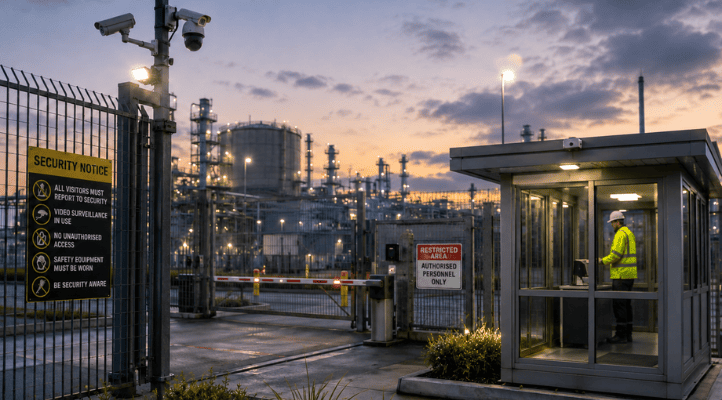
In industrial environments, security is not a luxury, it is an operational necessity. Conducting a structured security risk assessment helps protect personnel, physical assets and operations from a wide range of threats, including unauthorised physical intrusion and operational disruption. This guide outlines a practical approach to conducting an industrial security risk assessment aligned with ISO 31000, the […]
How CPTED Prevents Security Overkill and Lowers Operating Costs
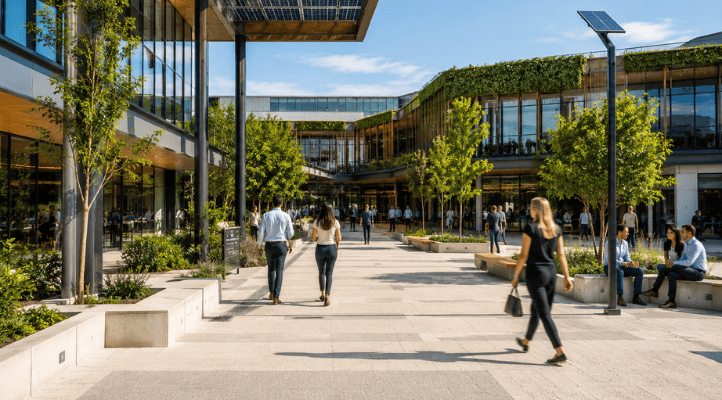
CPTED, or Crime Prevention Through Environmental Design, offers a proactive approach to security that emphasises the built environment, human behaviour and careful planning. By focusing on design and maintenance, CPTED helps organisations reduce crime risk without resorting to heavy-handed, expensive security measures. This makes CPTED a smart, cost-conscious choice for businesses, universities, local governments and […]
Life in Crowded Places: Risks and Security Strategies
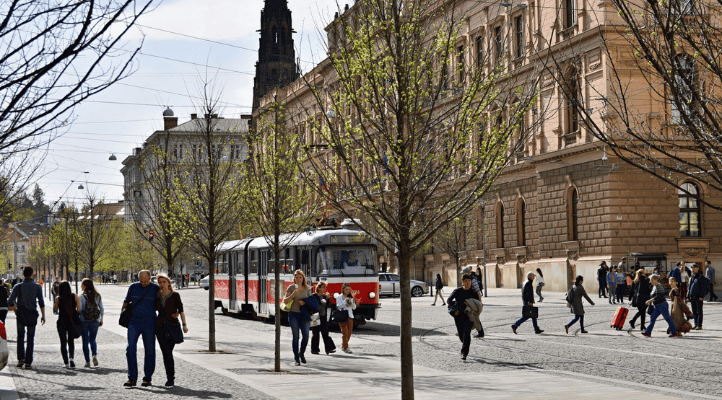
Crowded places are dynamic ecosystems. They attract diverse people, rapid movement, and complex logistics. The very features that make these environments lively – dense populations, open access, and shared spaces – also create potential vulnerabilities. Understanding the risks and implementing proactive strategies is essential for event organisers, facility managers, local authorities, and everyday travellers. In this article, […]