
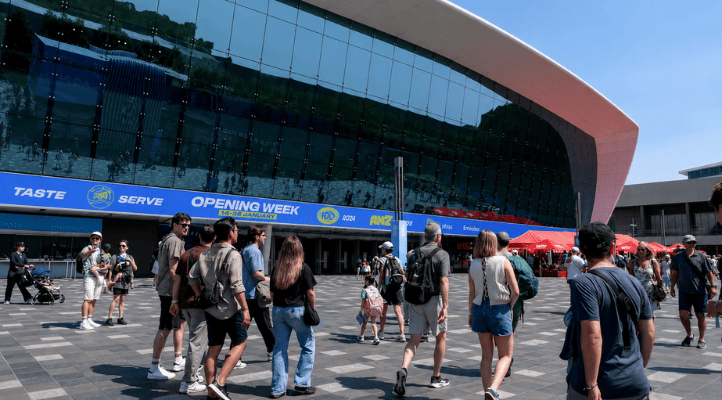
Every operator of a high-capacity venue in Australia manages the same tension. Robust protective security is essential, yet visible, intrusive controls can change the character of a place and erode the very experience that draws people to it. The good news is that these objectives are not in conflict. When security is designed into a venue rather than bolted onto it, a place can be both genuinely safer and more welcoming.
Crowded Places Are an Owner and Operator Responsibility
Stadiums, shopping centres, licensed venues, transport interchanges and event precincts concentrate large numbers of people, and that concentration is what makes them attractive to those who would do harm. Australia’s Strategy for Protecting Crowded Places from Terrorism, developed by the Australia-New Zealand Counter-Terrorism Committee (ANZCTC), sets out a consistent national approach, and it is explicit on one point: primary responsibility for protecting a crowded place sits with those who own, operate and control it.
That responsibility translates into a duty of care to take reasonable, proportionate steps against foreseeable risks. Proportionate is the key word. The national strategy does not ask a suburban shopping centre to secure itself like an airport. It asks owners and operators to understand their risk and respond sensibly to it.
The Commercial Case for Assessing Early
- Retrofit is expensive. Hostile vehicle mitigation, access control changes and crowd flow improvements are far cheaper when planned into upgrades or initial design than when retrofitted into a live venue under pressure, around trading hours and event schedules.
- Reputation compounds. Venues that can demonstrate structured, documented risk management signal operational maturity to promoters, corporate clients and boards, all of whom increasingly consider security posture when choosing where to hold events.
- Documentation supports due diligence. A current, structured assessment gives owners something concrete to bring to conversations with insurers, boards and regulators, and demonstrates that foreseeable risks have been identified and addressed.
What a Crowded Places Assessment Involves
A meaningful Crowded Places Assessment is a structured evaluation aligned with the national layered model of deter, detect, delay and respond. The typical scope covers four domains.
- Hostile vehicle mitigation. Vehicle approach paths, standoff distances and perimeter treatments, with an emphasis on measures that read as streetscape rather than fortification.
- Crowd movement. How patrons enter, queue, circulate and leave under normal and peak conditions, and where congestion creates vulnerability.
- Surveillance and lighting. Sightlines, camera coverage logic and lighting quality across public areas, transitions and back-of-house interfaces.
- Operational readiness. Whether emergency procedures, communication systems and staff awareness align with current national guidance for crowded places, including the published guidance on active armed offender scenarios.
The output is a prioritised set of findings that distinguishes what should be addressed now from what can be staged sensibly through planned works.
Preserving the Experience Through CPTED
The national strategy is clear that protective security should not diminish public enjoyment or accessibility. This is where Crime Prevention Through Environmental Design earns its keep. Rather than relying on visible security infrastructure, CPTED embeds protective outcomes in the design of the environment itself.
- Landscape elements, seating and street furniture that provide vehicle mitigation without reading as barriers
- Layouts that guide crowd movement naturally and reduce congestion points
- Lighting that improves visibility and lifts the atmosphere of the space at the same time
- Open sightlines that support both safety and a welcoming character
Done well, security is present everywhere and visible nowhere.
How CPTED Australia Supports Venue Owners and Operators
CPTED Australia conducts independent Crowded Places Assessments aligned with the national strategy. We assess the site as it actually operates, apply CPTED principles to preserve the character of the venue, and deliver practical, staged recommendations that respect commercial reality.
Whether you are developing a new venue, upgrading an existing asset or demonstrating due diligence to a board or insurer, contact CPTED Australia to arrange an assessment tailored to your site.
About the Author
Simon Pollak is the Principal Consultant at CPTED Australia. He is a Fellow of the Australian Security Industry Association (FASIAL), a Certified Information Systems Security Professional (CISSP), holds a Master of Cyber Security, and is a licensed security consultant. His practice covers CPTED assessments, security risk assessments and security strategy for developments and venues across Australia.