
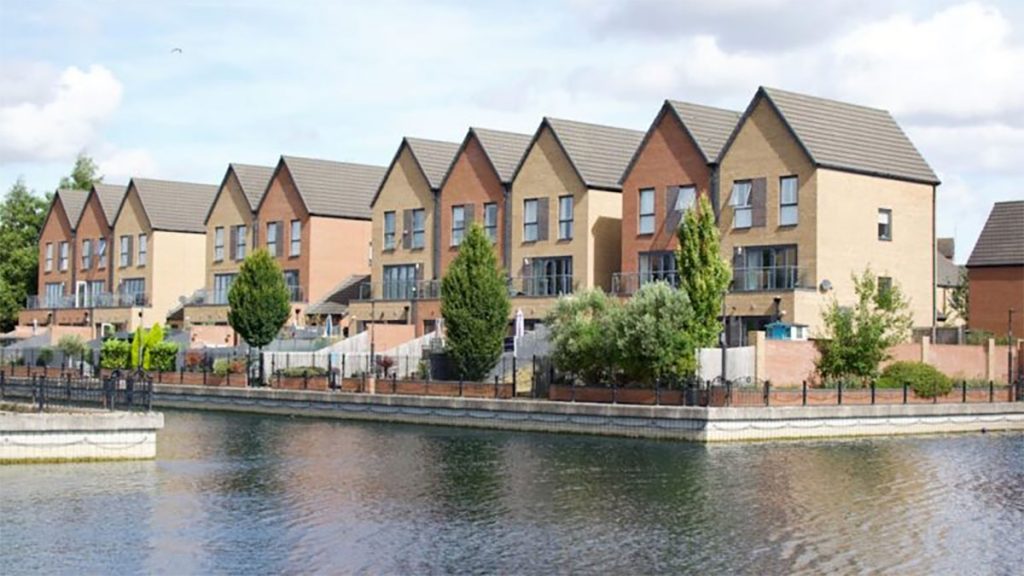
Crime Prevention Through Environmental Design (CPTED) is transforming how Australian communities address crime prevention. Rather than relying solely on policing and security systems, CPTED uses thoughtful design to influence human behaviour, reduce opportunities for crime, and promote safer environments.
This article highlights several real-world CPTED case studies in Australia, showcasing how environmental design can significantly improve safety and enhance community well-being.
What Is CPTED and Why Is It Effective?
CPTED is a multidisciplinary approach to crime prevention that uses urban and environmental design principles to deter criminal behaviour. It incorporates strategies such as:
- Natural surveillance
- Access control
- Territorial reinforcement
- Space management
By embedding these strategies into the design and layout of public and private spaces, CPTED aims to create safer, more liveable environments.
Learn more about our CPTED assessments and reports and how we help apply these principles to a wide range of projects.
Melbourne’s CPTED Lighting Strategy: Enhancing Natural Surveillance
The City of Melbourne has implemented a large-scale street lighting program as part of its CPTED framework. The initiative focused on improving visibility in public spaces such as parks, walkways, and residential areas, which are often hotspots for anti-social behaviour.
By installing bright, uniform lighting, the city improved natural surveillance — making it easier for people to observe and be observed in public spaces. This not only reduced the fear of crime but also encouraged more community interaction and use of public areas after dark.
This CPTED-driven lighting strategy is a clear example of how design influences behaviour and enhances public safety.
Sydney’s Safe City Initiative: Community-Led CPTED Success
Sydney’s Safe City Initiative is a prime example of how CPTED can be integrated into urban planning at a city-wide level. Working in collaboration with local councils and community groups, the city has implemented measures such as:
- Improved public lighting
- Clear sightlines and visibility
- Better signage and wayfinding
- Enhanced pedestrian pathways
These CPTED strategies have helped reduce crime rates in high-risk areas and build community confidence. Residents now feel a stronger sense of ownership over public spaces, leading to increased usage and improved local amenity.
For a tailored approach to crime prevention in your area, explore our security risk assessments.
Queensland’s CPTED Guidelines: A Statewide Approach to Safer Communities
The Queensland Government has developed one of Australia’s most comprehensive CPTED guideline documents. These guidelines offer practical advice on embedding CPTED principles into the planning, design, and ongoing management of public and private spaces.
Key recommendations include:
- Designing for visibility and clear lines of sight
- Clearly defined public and private zones
- Well-maintained landscaping and infrastructure
- Community participation in ongoing upkeep
The result? A notable reduction in crime, particularly in urban and suburban renewal areas. The guidelines also emphasises collaborative efforts between developers, councils, and community members — a key factor in sustainable success.
CPTED in Action: Urban Renewal Projects in New South Wales
Across New South Wales (NSW), CPTED principles have been applied to urban renewal projects aimed at revitalising underutilised or neglected areas. These projects often target previously unsafe locations and transform them into welcoming, well-lit, and easy-to-navigate spaces.
Key CPTED strategies include:
- Installing lighting to enhance visibility
- Removing hiding spots by improving landscaping
- Introducing design features that encourage positive social interaction
- Using physical design to control access and movement
These urban renewal efforts have led to a significant improvement in public safety and community satisfaction, demonstrating that CPTED is a powerful tool for long-term crime prevention.
Why CPTED Works: Design That Builds Safer Communities
Each of these case studies demonstrates the effectiveness of CPTED when integrated thoughtfully into urban environments. The success of CPTED in cities like Melbourne, Sydney, Brisbane and regional NSW highlights several key factors:
- It reduces crime by designing out opportunities for misconduct
- It enhances natural surveillance and access control
- It strengthens the connection between residents and their environment
- It builds safer, more liveable communities
If you’re planning a development or looking to improve the safety of your property or public space, CPTED can provide a strategic framework to guide your design decisions.
Start Implementing CPTED Principles Today
The results from these CPTED implementations across Australia are clear: well-designed environments lead to reduced crime and stronger communities. Whether you’re a local council, property developer, or business owner, applying CPTED principles is a proactive step towards safer, more inclusive spaces.
At CPTED Australia, we specialise in helping organisations integrate CPTED strategies into their developments, public spaces, and risk management plans.
Ready to take action?
Contact us today or call us directly on (02) 9191 9771 to speak with one of our CPTED professionals.