
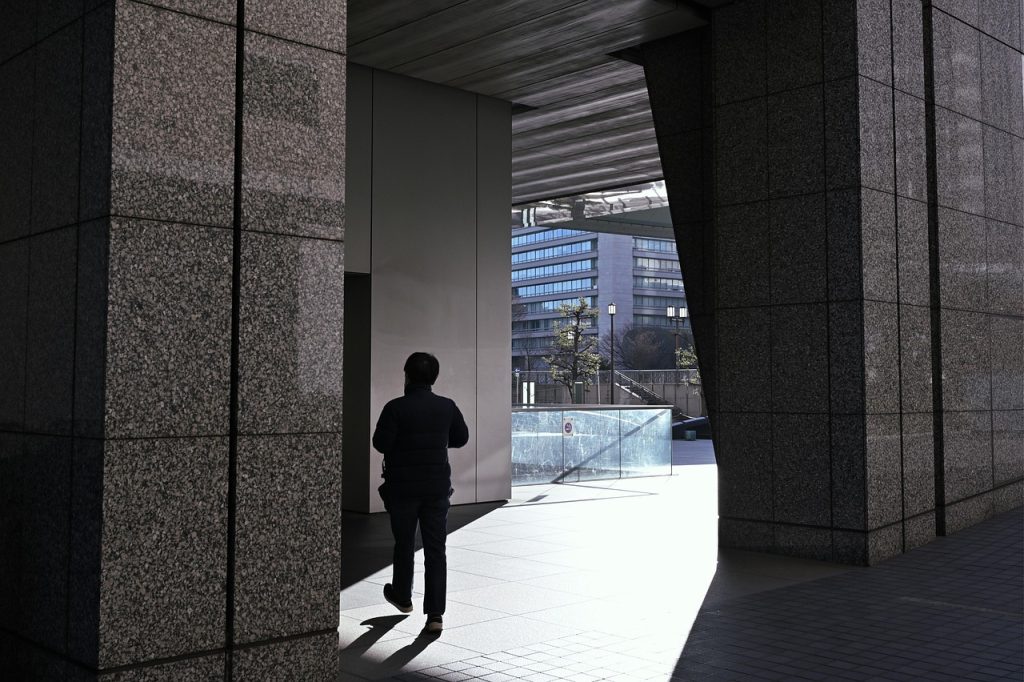
Reducing crime doesn’t always require more policing or high-tech security. Sometimes, the solution lies in how we design and manage our physical spaces. That’s where Crime Prevention Through Environmental Design (CPTED) comes in — a proactive strategy that shapes the environment to influence behaviour and create safer, more liveable communities.
Whether you’re an urban planner, architect, council, or developer, understanding what CPTED is and how it works can help you build environments that naturally deter crime and promote a sense of security.
In this article, we’ll explain the core principles of CPTED and how they can be applied in real-world settings.
What Is CPTED and How Does It Work?
CPTED is a design philosophy that focuses on reducing opportunities for crime by modifying the physical environment. The idea is simple: when spaces are thoughtfully planned and well-managed, they can encourage positive behaviours and discourage anti-social ones.
Rather than responding to crime after it occurs, CPTED aims to prevent it from happening in the first place. It does this by making potential offenders feel exposed, unwelcome, or deterred — all through smart environmental design.
To learn how CPTED can improve the safety of your space, explore our CPTED assessments and reports.
How Does Natural Surveillance Deter Crime?
Natural surveillance is about increasing visibility in public and private spaces. The more people can see and be seen, the less likely crime is to occur.
Effective strategies for natural surveillance include:
- Installing bright, consistent lighting in public areas
- Placing windows to allow clear views from buildings to outside areas
- Keeping landscaping trimmed to remove potential hiding spots
- Designing open spaces with few visual obstructions
These elements make it harder for suspicious behaviour to go unnoticed — and easier for the community to self-monitor.
What Is Access Control in CPTED?
Access control focuses on directing movement through a space to discourage unauthorised access. When people know where they should and shouldn’t be, it reduces confusion and opportunities for criminal behaviour.
You can apply this principle by:
- Using fencing, gates, and bollards to guide foot traffic
- Clearly marking entrances and exits
- Designing walkways that lead people through appropriate routes
- Implementing controlled access systems like key cards or staffed checkpoints
These strategies help separate public, semi-private, and private areas — reinforcing who belongs where.
To better understand how this principle fits into your security approach, read about our security risk assessments.
What Does Territorial Reinforcement Look Like?
Territorial reinforcement is about fostering a sense of ownership over a space. When people feel connected to their environment, they are more likely to care for it — and to challenge unwanted behaviours.
Design strategies include:
- Clear signage that marks property boundaries
- Landscaping and architectural features that signal ownership
- Community-led initiatives like murals or gardens
- Encouraging staff and residents to actively engage with the space
These elements make it obvious that an area is maintained, monitored, and valued — deterring those who may seek to damage or misuse it.
Why Is Space Management Critical to CPTED?
Even the best design can fail if it’s not properly maintained. Space management is the ongoing care of a space to show it is watched, valued, and safe.
Key elements of good space management include:
- Regular cleaning and maintenance of public areas
- Prompt removal of graffiti, rubbish, and vandalism
- Ensuring lighting, CCTV, and access systems are in working order
- Repairing broken infrastructure without delay
A neglected space signals that no one cares — which can attract crime. In contrast, a well-maintained environment conveys control and discourages anti-social behaviour.
What Are the Benefits of CPTED?
Applying CPTED principles doesn’t just improve safety — it brings broader social and economic benefits.
✅ Enhanced Safety and Security
CPTED reduces the opportunity for criminal activity, helping people feel safer at home, work, and in public.
✅ Increased Community Engagement
By encouraging community involvement in design and maintenance, CPTED builds trust and connection between residents, businesses, and councils.
✅ Cost-Effective Solutions
Many CPTED strategies are low-cost and preventative, saving money on future security, repairs, or crime response measures.
✅ Liveable, Sustainable Communities
CPTED supports healthy urban development by promoting walkability, connection, and pride in place — all contributing to a better quality of life.
Learn more about our full range of services at CPTED.com.au.
Real-World Examples of CPTED in Action
CPTED isn’t just theory — it’s been implemented with great success in cities worldwide.
- Seattle, USA: Integrated CPTED principles into public park design, including lighting upgrades and sightline improvements, along with community stewardship programs.
- Toronto, Canada: Revitalised high-crime neighbourhoods by redesigning shared spaces, improving visibility, and fostering resident participation — leading to reduced crime rates and increased pride.
For Australian case studies, check out our blog on CPTED implementations in Australia.
CPTED: A Smarter Approach to Crime Prevention
CPTED proves that designing safer communities doesn’t have to mean adding more security guards or surveillance cameras. Instead, it shows that with the right environmental strategies, we can create spaces that naturally discourage crime and promote wellbeing.
At CPTED Australia, we help organisations, planners, and councils apply these principles effectively and affordably.
Contact us today or call us on (02) 9191 9771 to find out how CPTED can support your next project.
About the Author
Simon Pollak is the Principal Consultant at CPTED Australia. He is a Fellow of the Australian Security Industry Association (FASIAL), a Certified Information Systems Security Professional (CISSP), holds a Master of Cyber Security, and is a licensed security consultant. His practice covers CPTED assessments, security risk assessments and security strategy for developments and venues across Australia.