
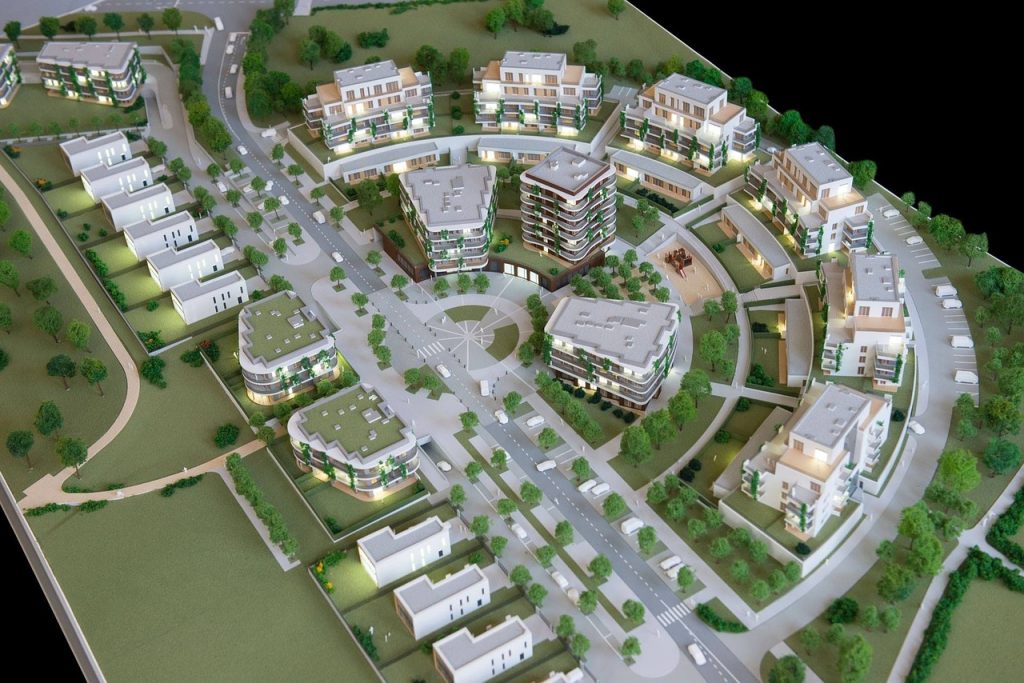
Urban planning shapes how safe a city feels, not just how it looks. When Crime Prevention Through Environmental Design (CPTED) principles are integrated into planning decisions, from concept plans through to development applications, planners can create environments that naturally deter criminal behaviour and support community safety. This article explores how CPTED principles apply across the urban planning process.
CPTED is a proactive approach to reducing crime through the design and management of the built environment rather than relying on reactive security measures. For a full overview of CPTED principles, origins and core theory, see our complete guide to CPTED.
Key Principles of CPTED in Urban Planning
Natural Surveillance
Natural surveillance means designing spaces so people can see and be seen. When potential offenders perceive a higher risk of being observed, they are less likely to offend. Planners can support natural surveillance by:
- Keeping sightlines in public spaces open and unobstructed
- Specifying consistent and adequate lighting for streets, parks and other public areas
- Encouraging building designs where windows overlook public spaces, allowing residents to passively monitor their surroundings
- Positioning pedestrian pathways to maximise visibility
Natural Access Control
Natural access control guides how people move through a space, reducing opportunities for unauthorised entry. Effective strategies include:
- Clearly marked entrances and exits
- Physical barriers such as fencing, gates and landscaping to define access to sensitive areas
- Designated pathways that direct pedestrians along safe, well-used routes
- Access control measures, such as key card entry or security personnel, for restricted areas
Territorial Reinforcement
Territorial reinforcement builds a sense of ownership among residents and users of a space. People who feel connected to their environment are more likely to care for and maintain it. This can be supported through:
- Clear delineation between public and private space using signage, landscaping and architectural cues
- Community involvement in the design and upkeep of public spaces
- Public realm design that encourages social interaction
- Design features that reflect local identity and character
Space Management
Ongoing maintenance signals that a space is monitored and cared for, helping discourage criminal activity. This includes:
- Regular cleaning and upkeep of public spaces
- Prompt responses to graffiti, litter and vandalism
- Well-maintained lighting and security infrastructure
- Community involvement in the ongoing care of shared spaces
Benefits of Integrating CPTED into Urban Planning
Enhanced safety and security
Addressing crime opportunities at the design stage can contribute to safer outcomes for residents, workers and visitors.
Stronger community engagement
CPTED gives residents a stake in the design and upkeep of their surroundings, supporting community cohesion and natural guardianship.
Cost-effective outcomes
Many CPTED measures involve practical design decisions rather than expensive security retrofits, reducing reliance on reactive security measures.
More liveable communities
Natural surveillance, access control and territorial reinforcement contribute to quality of life alongside broader crime prevention outcomes.
Real-World Examples
Several cities around the world have successfully integrated CPTED principles into their urban planning processes. For instance:
Melbourne, Victoria
In metropolitan Melbourne, CPTED principles have been incorporated into urban design projects to improve the safety, usability and activation of public spaces. A clear example is the Holmesglen Neighbourhood Activation Project, where Monash City Council, supported by the Victorian Government’s Community Crime Prevention Program, upgraded lighting, improved sightlines along a shared pathway and revitalised a previously underused space to encourage legitimate community use and natural surveillance.
This type of local CPTED application reflects a broader Victorian focus on urban renewal, liveability and improving amenity within established communities.
New York City, USA
In New York, CPTED principles have been incorporated into crime prevention and public safety initiatives through approaches that focus on improving the built environment, including visibility, lighting, access control and the management of public spaces. The New York State CPTED Task Force promotes collaborative assessments of environments to identify design changes that can reduce crime opportunities and improve community safety.
These principles also align with broader safe streets initiatives in New York City, which highlight the role of street design, lighting, pedestrian safety and public space improvements in creating more functional and welcoming urban environments.
Conclusion
Integrating CPTED into urban planning, from strategic planning through to detailed design and the development application process, supports the creation of safer and more liveable communities. Natural surveillance, access control, territorial reinforcement and space management work together to reduce crime opportunities and support community wellbeing.
Book Your CPTED Urban Planning Consultation
Our team can assess your site, identify CPTED opportunities and provide recommendations that support safer, more functional built environments.
Reach out today or call (02) 9191 9771 to schedule a consultation and upgrade your urban planning approach with CPTED expertise.
About the Author
Simon Pollak is the Principal Consultant at CPTED Australia. He is a Fellow of the Australian Security Industry Association (FASIAL), a Certified Information Systems Security Professional (CISSP), holds a Master of Cyber Security, and is a licensed security consultant. His practice covers CPTED assessments, security risk assessments and security strategy for developments and venues across Australia.