
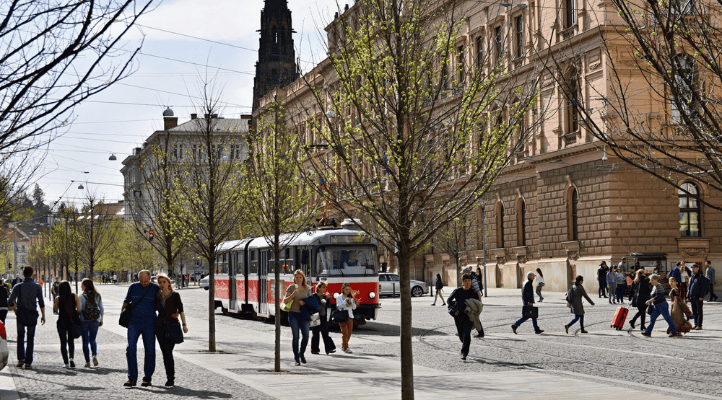
Crowded places are dynamic ecosystems. They attract diverse people, rapid movement, and complex logistics. The very features that make these environments lively – dense populations, open access, and shared spaces – also create potential vulnerabilities.
Understanding the risks and implementing proactive strategies is essential for event organisers, facility managers, local authorities, and everyday travellers. In this article, a crowded places strategy refers to a holistic approach – aligned with Australia’s Strategy for Protecting Crowded Places from Terrorism – that combines prevention, preparedness, response, and recovery.
The Reality of Crowded Places
Living, working, or visiting crowded places is a daily reality for millions of people.
Think about your average day. You catch the train at Central, grab a coffee in a packed laneway, and maybe head to a lunchtime market. You’re moving through crowded places constantly – often without giving it a second thought.
That’s the point. Australian cities are built for connection, commerce, and community. The most crowded places – our CBDs, transport hubs, shopping precincts, stadiums, and festivals are engines of social and economic life.
But the same features that make these places vibrant – open access, high foot traffic, and shared infrastructure – also create security challenges that planners and operators can’t afford to ignore.
Key Security Issues for Crowded Places in Australia
Crowded places face a range of security challenges. Recognising these issues helps in designing effective protections.
- Threat detection and disruption: The density of crowds can slow down traditional detection methods, requiring layered approaches to identify suspicious behaviour, unattended bags, unusual staging of crowds, or anomalous access patterns.
- Vehicle-borne threats: Vehicles entering pedestrian zones can pose serious risks. Barriers, standoff distances, and controlled entry points help reduce exposure.
- Access control challenges: Balancing open access with safety requires thoughtful entry management, crowd flow planning, and credentialing for staff and contractors.
- Operational disruption: Small incidents can cascade into significant disruptions, affecting transport networks, medical services, and communication systems.
- Communication gaps: In emergencies, clear and redundant communication channels are vital. Everyone, from security staff to attendees, needs timely, accurate information.
- Activity hotspots: Certain areas become focal points for large groups. Without crowd management, these hotspots can become unsafe due to congestion, heat, or panic potential.
- Insider risk: Not all threats come from outsiders. Operational errors, compromised staff credentials, or negligent security practices can undermine safety.
- Environmental and medical risks: Heat, dehydration, injuries, and medical emergencies require rapid response capabilities within busy spaces.
8 Practical Crowded Places Strategies
A robust crowded places strategy combines prevention, protection, response, and recovery. Here are the core components that organisations should cover.
1. Governance and Policy
- Establish a formal security governance structure with clear roles for organisers, venue owners, local authorities, emergency services, and security providers.
- Develop, test, and refresh policies covering risk assessment, incident reporting, training, procurement, and supplier management.
- Ensure compliance with local regulations, privacy laws, and humanitarian considerations while maintaining effective protection.
2. Risk Assessment and Planning
- Conduct dynamic risk assessments that consider crowd size, venue layout, expected entry and exit flows, and potential threat scenarios.
- Create site-specific plans, including pedestrian routing, choke point management, and emergency egress routes.
- Plan for continuity of operations to minimise disruption and maintain essential services.
3. Physical Measures and Design
- Use barriers, bollards, vehicle control measures, and controlled access zones to create safe standoff spaces.
- Design space with sightlines, lighting, and unobstructed routes to aid surveillance and evacuation.
- Implement access control technologies and checks that balance convenience with security.
4. People, Processes and Training
- Train staff and volunteers in threat recognition, emergency procedures, and effective communication with attendees.
- Conduct regular drills covering various incident types, including medical emergencies, fire, and security breaches.
- Empower security teams to coordinate with local police, emergency medical services, and public safety agencies.
5. Detection and Response Capabilities
- Deploy layered detection: CCTV, behavioural analytics, bag checks, controlled entry points, and patrols in coordination with event layout.
- Establish rapid response protocols for suspected threats, medical incidents, and crowd management challenges.
- Use public-address systems, social media, and alert apps to disseminate information quickly during incidents.
6. Communications and Information Management
- Create a unified command and control framework so agencies can share information in real time.
- Maintain multilingual and accessible communications to ensure all attendees understand safety messages.
- Establish redundancy in communication systems, including radio, mobile networks, and on-site loudspeakers.
7. Training, Exercising and Learning
- Invest in ongoing training for security personnel, event staff, and volunteers.
- Run desktop exercises and full-scale drills to validate plans and identify gaps.
- After events, review lessons learned and update the crowded places strategy accordingly.
8. Public Engagement and Resilience
- Inform attendees about safety procedures before and during events to foster a culture of personal responsibility.
- Provide clear wayfinding and safe zones where people can regroup if overwhelmed.
- Encourage reporting of suspicious activity while avoiding panic-inducing messaging.
Protecting Crowded Places: Practical Tips for Stakeholders
- For organisers and venue managers: Map all entry/exit points, designate emergency assembly areas, and ensure medical stations are easily accessible. Regularly test alarms and evacuation routes.
- For security teams: Maintain a visible but non-disruptive presence, conduct audience scanning where appropriate, and coordinate with local law enforcement for rapid escalation if needed.
- For local authorities: Ensure interoperable communications, traffic management plans, and pedestrian sanctuaries around high-risk venues.
- For attendees: Stay aware of surroundings, follow staff instructions, and have a personal plan for meeting points with companions in case of separation.
Build a Safer Experience in Crowded Places with CPTED
When protecting crowded places is approached through a CPTED lens, communities get the best of both worlds: environments that are genuinely safer, and still feel open, welcoming, and worth showing up to. The key is balance – layered security measures that respect civil liberties, clear communication that keeps everyone informed, and a commitment to learning and adapting as threats evolve.
Ready to take the next step?
For professional guidance on implementing a CPTED strategy for your public space, venue, or commercial property, reach out to our team today.
Call us on (02) 9191 9771 or get in touch online to schedule a consultation.
About the Author
Simon Pollak is the Principal Consultant at CPTED Australia. He is a Fellow of the Australian Security Industry Association (FASIAL), a Certified Information Systems Security Professional (CISSP), holds a Master of Cyber Security, and is a licensed security consultant. His practice covers CPTED assessments, security risk assessments and security strategy for developments and venues across Australia.