
Crime Prevention Through Environmental Design (CPTED) and environmental sustainability are often treated as separate priorities in urban planning. When integrated, however, they create environments that are both safer and more resilient. By aligning CPTED principles with sustainable design practices, planners and developers can reduce crime risk while supporting long-term environmental performance. In this blog post, we’ll explore how CPTED and environmental sustainability can work together to design safe and green spaces.
Understanding CPTED
CPTED is based on the principle that the design and management of physical environments influence human behaviour, including the likelihood of criminal activity. Its core principles, natural surveillance, natural access control, territorial reinforcement, and space management aim to reduce opportunities for crime through considered design.
Key Principles of CPTED
- Natural Surveillance: Enhancing visibility so that activities within a space can be easily observed.
- Natural Access Control: Guiding the movement of people to reduce opportunities for unauthorised access.
- Territorial Reinforcement: Creating a clear sense of ownership that encourages responsibility and discourages misuse.
- Space Management: Maintaining spaces to signal they are actively monitored and cared for.
The Intersection of CPTED and Environmental Sustainability
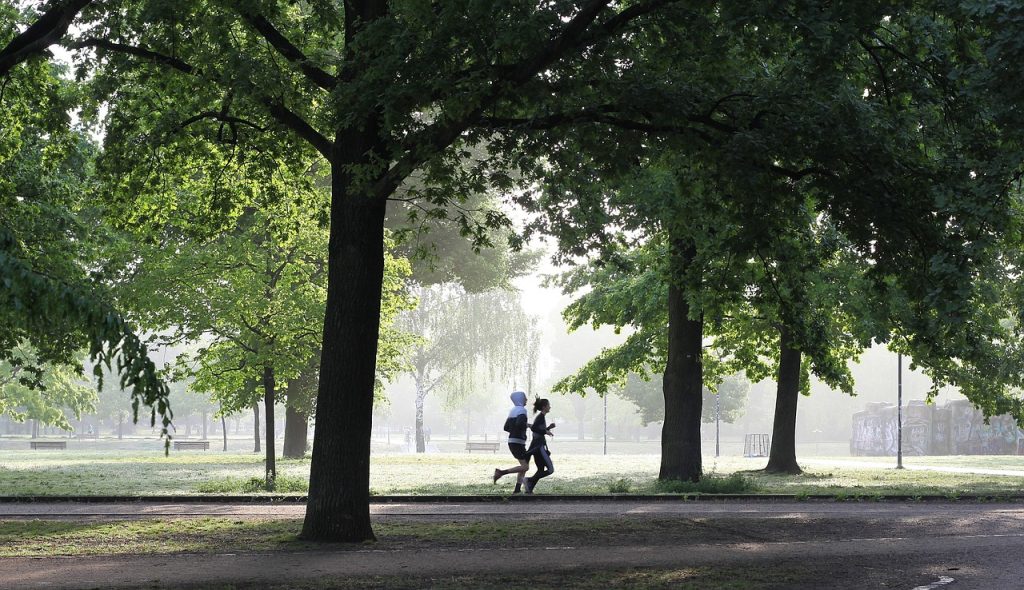
- Green Spaces and Natural Surveillance Green spaces such as parks, gardens, and green roofs play a key role in reducing urban heat, improving air quality, and supporting biodiversity. When designed effectively, they also strengthen natural surveillance by encouraging consistent community use and maintaining clear sightlines. Strategies for combining green spaces with natural surveillance include:
- Designing parks and gardens with clear sightlines and open layouts to ensure visibility.
- Using low-maintenance, native plants that do not obstruct views.
- Incorporating walking paths and seating areas to encourage regular use and passive surveillance by community members.
- Sustainable Lighting and Natural Access Control Energy-efficient lighting, including LED and solar-powered systems, reduces energy use while supporting safe movement through spaces. Effective lighting design also reinforces natural access control by clearly defining pathways and active areas. Strategies for integrating sustainable lighting with natural access control include:
- Installing energy-efficient lighting along pathways, entrances, and parking areas to guide movement and enhance safety.
- Using motion-activated lights to conserve energy while maintaining security.
- Ensuring that lighting is evenly distributed to eliminate dark spots and shadows.
- Community Gardens and Territorial Reinforcement Community gardens support sustainability through local food production and reduced transport impact, while also strengthening social connection. From a CPTED perspective, they reinforce ownership and accountability within a space. Strategies for combining community gardens with territorial reinforcement include:
- Designing community gardens with clear boundaries and signage to delineate public and private spaces.
- Encouraging community involvement in the planning, planting, and maintenance of the gardens.
- Hosting events and activities in community gardens to strengthen social ties and promote a sense of community ownership.
- Green Infrastructure and Maintenance Green infrastructure such as rain gardens, permeable pavements, and green roofs improves stormwater management and environmental performance. Ongoing maintenance is essential, not only for functionality but also to signal active oversight and deter neglect. Strategies for integrating green infrastructure with CPTED maintenance include:
- Regularly inspecting and maintaining green infrastructure to ensure it functions properly.
- Engaging community members in the upkeep of green infrastructure through volunteer programs and educational initiatives.
- Collaborating with local organizations and government agencies to secure funding and resources for ongoing maintenance.
Benefits of Combining CPTED and Environmental Sustainability
- Enhanced Safety and Security By integrating CPTED principles with sustainable design practices, urban planners can create environments that naturally deter criminal behaviour and promote safety. This leads to a reduction in crime rates and an overall sense of security for residents.
- Improved Quality of Life Green spaces, sustainable lighting, and community gardens contribute to a higher quality of life by providing recreational opportunities, improving air and water quality, and fostering social connections. These elements create a pleasant and healthy environment for residents to enjoy.
- Environmental Stewardship Combining CPTED with environmental sustainability promotes environmental stewardship by encouraging the use of green infrastructure, energy-efficient technologies, and sustainable practices. This helps reduce the ecological footprint of urban areas and supports long-term environmental health.
- Cost-Effective Solutions Implementing sustainable design practices often results in cost savings over time through reduced energy consumption, lower maintenance costs, and improved resilience to environmental challenges. Integrating CPTED principles with these practices enhances both safety and sustainability without incurring significant additional costs.
Conclusion
Integrating CPTED with environmental sustainability provides a practical framework for designing spaces that are both secure and environmentally responsible. By aligning safety principles with sustainable design strategies, planners and developers can deliver environments that are functional, resilient, and community-focused.
This combined approach supports not only crime prevention, but also the long-term liveability and sustainability of urban spaces.
About the Author
Simon Pollak is the Principal Consultant at CPTED Australia. He is a Fellow of the Australian Security Industry Association (FASIAL), a Certified Information Systems Security Professional (CISSP), holds a Master of Cyber Security, and is a licensed security consultant. His practice covers CPTED assessments, security risk assessments and security strategy for developments and venues across Australia.