Crowded Places Assessments

Crowded places bring people together, but they also require thoughtful security planning. A Crowded Places Assessment helps identify risks, improve resilience, and demonstrate that reasonable steps have been taken to protect people, property and operations.

We provide practical, proportionate security advice aligned with the Australian Strategy for Protecting Crowded Places, helping you manage risk without disrupting how the space is used and enjoyed.

What is Crowded Places Assessment

A Crowded Places Assessment is a structured review of how a site may be exposed to security threats due to high pedestrian activity and open access.

Our goal is to achieve proportionate security implementing measures that effectively reduce risk without compromising the site’s function, accessibility, or the public’s “right to enjoy” the space. We follow the ISO 31000: Risk Management and HB 167: Security Risk Management Guidelines to ensure every recommendation is defensible and grounded in international best practices.

What We Access?

Elementor placeholder image

Attractiveness and Vulnerability

Elementor placeholder image

Physical Environment

Elementor placeholder image

Operational Readiness

Elementor placeholder image

Security Systems

Key Security Issues for Crowded Places

Security issues for crowded places vary depending on location, use, and crowd behaviour. However, there are several key security issues for crowded places that commonly arise across Australian high-traffic environments.

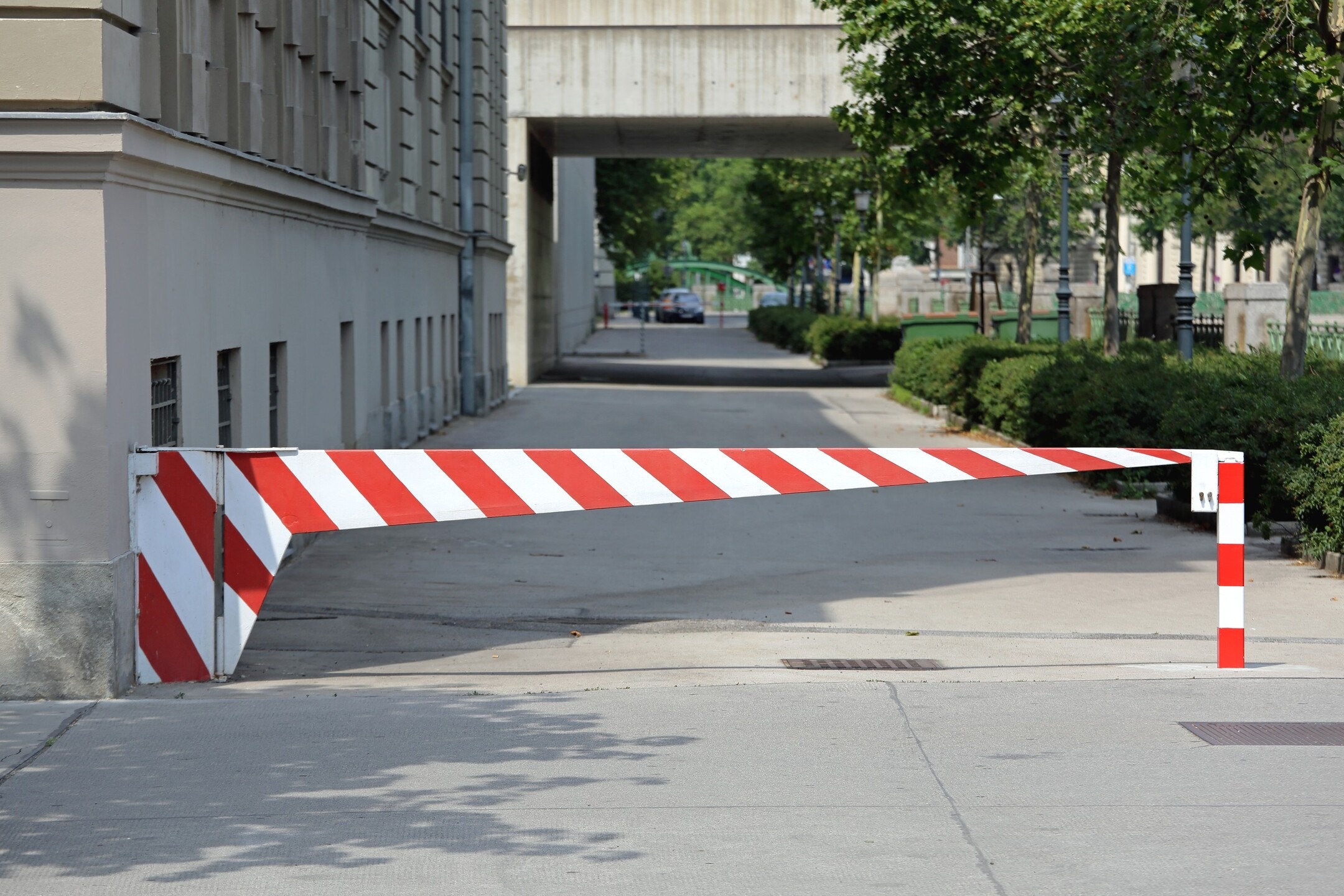
Hostile Vehicle Risks

Exposure at building edges, pedestrian thoroughfares and gathering points where vehicles may access public areas.

Crowd Congestion and Wayfinding

Bottlenecks, queuing areas, and poor wayfinding that can increase risk during peak periods or emergency evacuations.

Natural Surveillance Gaps

Identifying blind spots in car parks, service corridors, or alcoves where hostile reconnaissance could occur undetected.

Access Control vs. Permeability

Balancing the need for an inviting, open precinct with the ability to "lock down" or restrict access during an active threat.

Protecting Crowded Places

Effective protection relies on multiple, reinforcing measures rather than a single solution. Our approach focuses on:

quickview

Deter and Detect

Lighting, clear sightlines and active use of space to discourage hostile behaviour.

Delay and Respond

Designing physical barriers (like HVM planters or street furniture) and procedural responses that give first responders the time they need to intervene.

Resilience and Recovery

Identifying blind spots in car parks, service corridors, or alcoves where hostile reconnaissance could occur undetected.

Who Needs a Crowded Places Assessment?

Crowded places assessments are commonly prepared for:

Elementor placeholder image

Local and State Governments

  • Public squares and pedestrian malls
  • Parks and recreational precincts
  • Civic buildings and town halls
  • Community hubs and libraries

Elementor placeholder image

Developers and Architects

  • Mixed-use precinct developments
  • New commercial office towers
  • Residential high-rise complexes
  • Public infrastructure projects (DA Stage)

Elementor placeholder image

Retail, Hospitality and Entertainment Groups

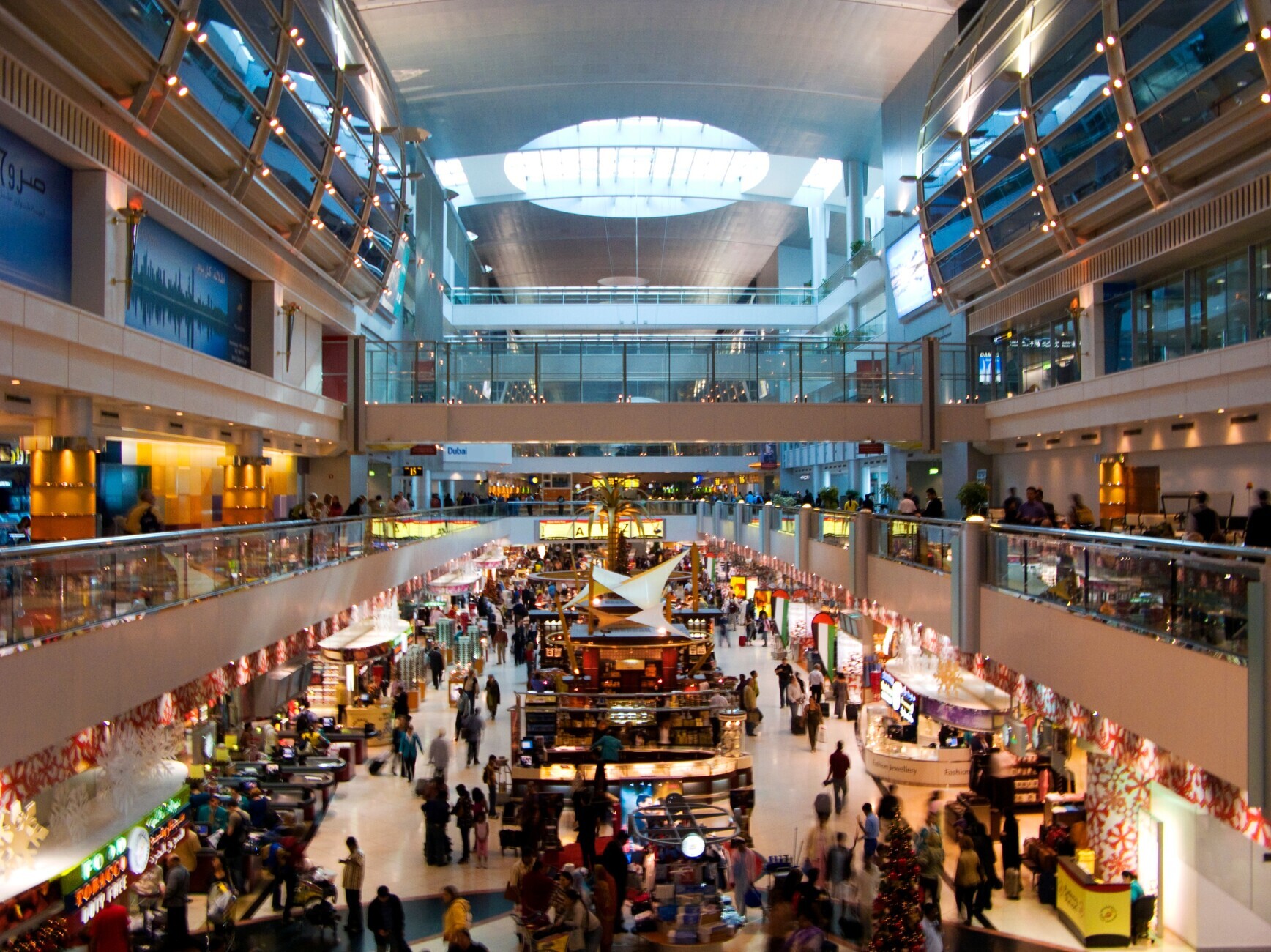
  • Major shopping centres and retail strips
  • Hotels and large convention centres
  • Hospitality precincts and Eat Streets
  • Cinema complexes and entertainment hubs

Elementor placeholder image

Event Organisers​

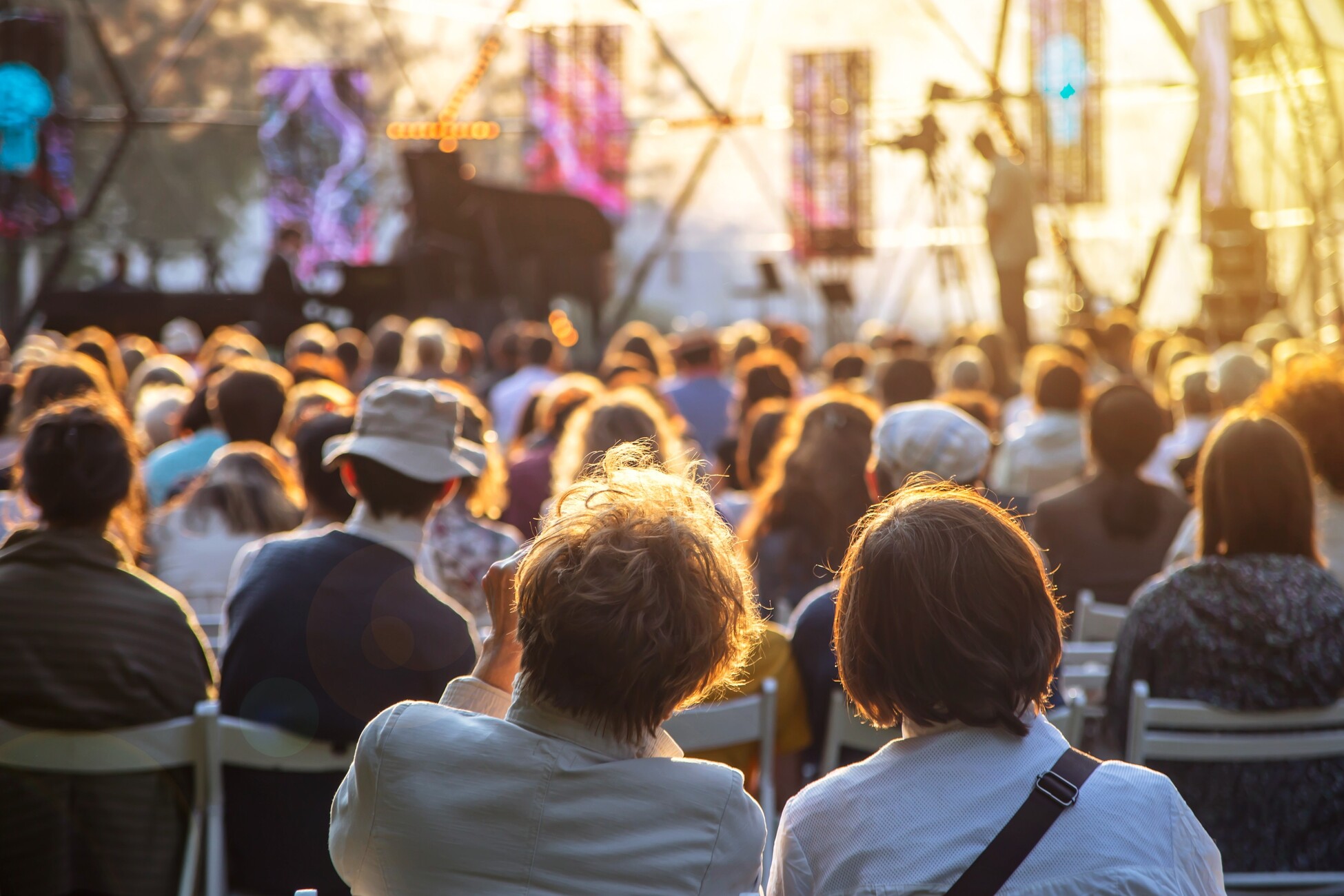
  • Major music festivals and concerts
  • Marathons and fun runs
  • Sporting stadiums and match-day venues
  • Seasonal markets and one-off public celebrations

Elementor placeholder image

Institutional and Sacred Sites​

  • Major music festivals and concerts
  • Marathons and fun runs
  • Sporting stadiums and match-day venues
  • Seasonal markets and one-off public celebrations

Frequently Asked Questions

While not always mandated by law, assessments are often required by councils and are an important part of meeting Duty of Care obligations under WHS legislation.

Australia uses the National Terrorism Threat Advisory System: Not Expected, Possible, Probable, Expected and Certain. Assessments help align your security measures with these levels.

Our strategy uses Crime Prevention Through Environmental Design (CPTED) to build security into the site layout. We focus on natural surveillance, clear sightlines, and smart landscaping to deter threats like hostile vehicles and unauthorised access, ensuring the space remains open and welcoming while meeting Australian safety standards.

Yes, if you operate a venue where large groups gather. Australian authorities and insurers increasingly require these assessments to prove you have met your ‘Duty of Care’ and are aligned with the National Strategy for protecting the public.

No. Using CPTED principles, we prioritise hidden security such as reinforced planters, street furniture, and architectural setbacks that protect the crowd without compromising the visual appeal or accessibility of your venue.

Site inspections usually take several hours to a full day. Reports are typically delivered within 10–15 business days, depending on complexity.

Get answers to all your questions and specialist requirements for your CPTED assessment reports